
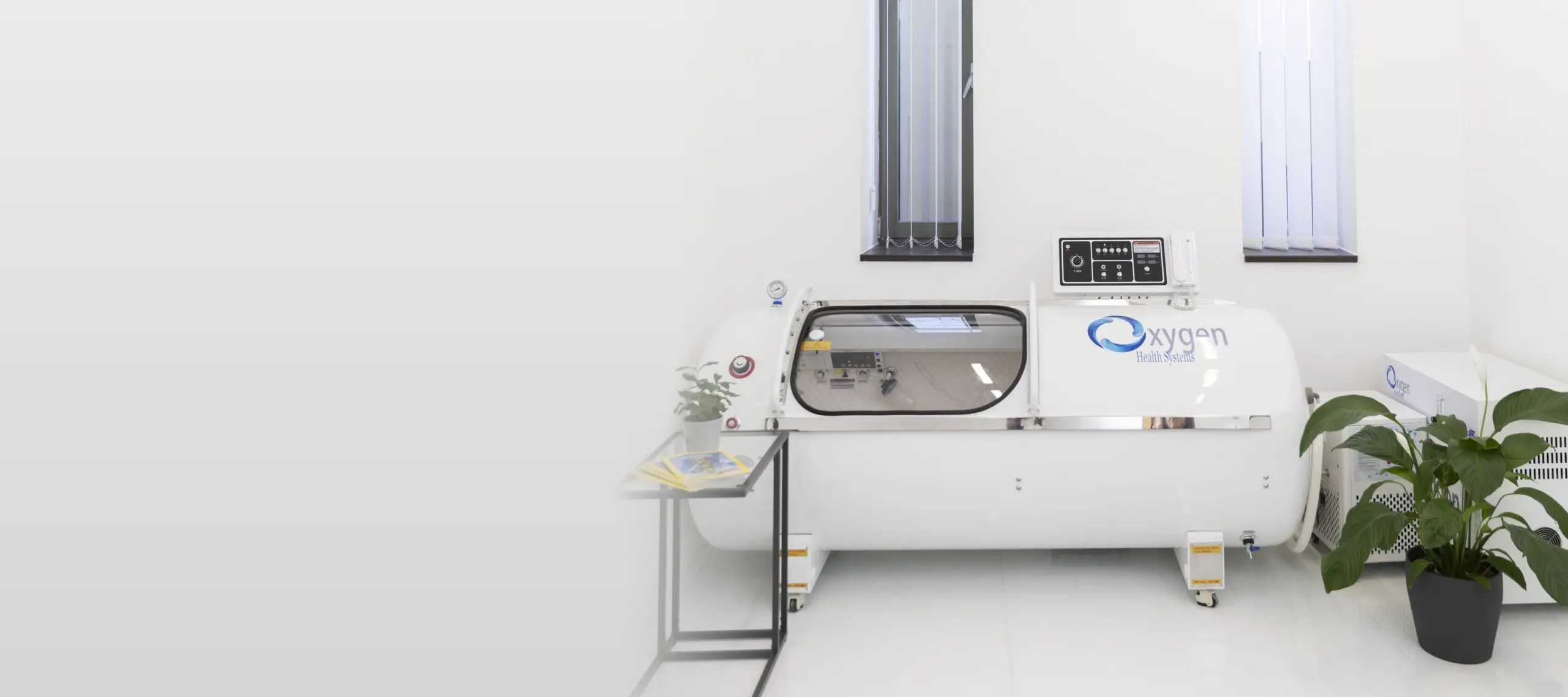
HBOT
Hyperbaric Oxygen Therapy
Hyperbaric chambers for enhanced oxygen delivery, healing and regeneration.
How does hyperbaric oxygen therapy work?
During treatment the client rests in a closed, pressurised chamber, breathing oxygen-enriched air or pure oxygen while the pressure rises to 1.3–2.5 times sea-level pressure. Under the increased pressure, oxygen is carried not only bound to red blood cells but also dissolved in the blood plasma, multiplying the dissolved amount. This extra oxygen also reaches poorly perfused, oxygen-deprived tissues. Better oxygen supply supports cellular energy production, the healing of wounds and injuries, and the reduction of inflammatory processes. Pressure is built up and released gradually; a feeling of pressure in the ears, similar to an aircraft landing, may occur and can be equalised by swallowing. A session typically lasts 60–90 minutes and is used as a course of treatments.
1.3–1.5 ATA
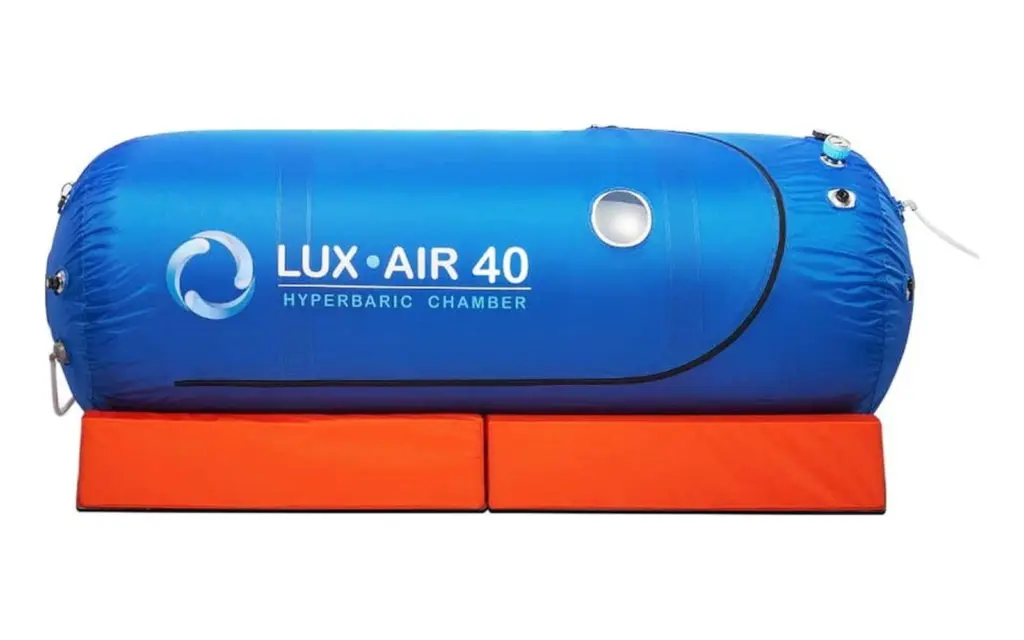

40" LUX-AIR 1.3 ATA
The 40-inch LUX-AIR premium lie-down soft chamber: easy J-door entry, NASA DACRON material and built-in oxygen concentrator – 1.3 ATA for home and clinical use.
Details→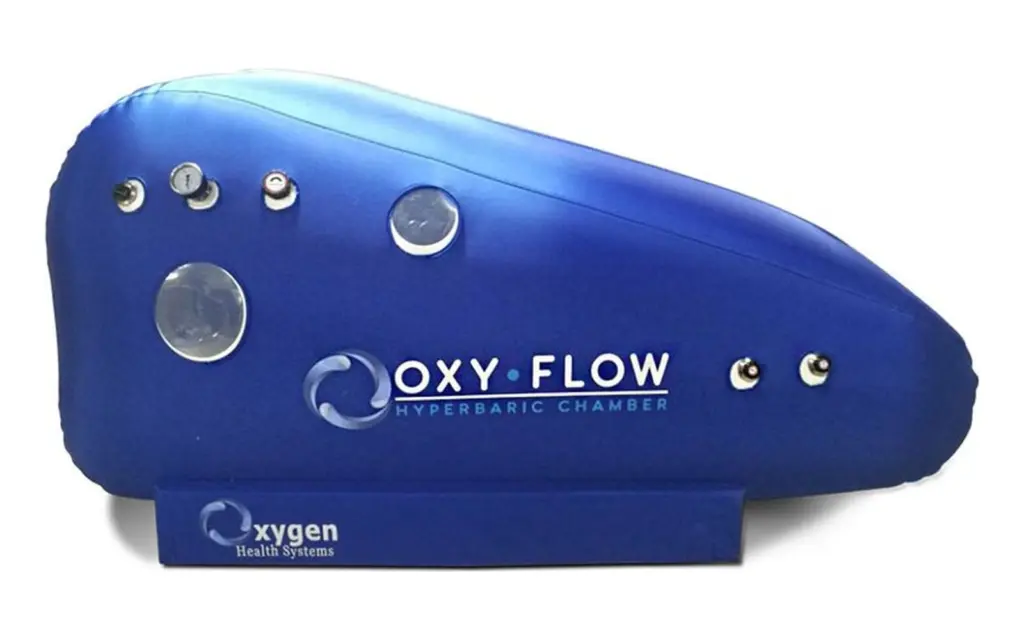
OxyFlow Sitting 1.3 ATA
The OxyFlow seated soft chamber: 1.3 ATA pressure, self-balancing chair, front-entry zip and a step-in height of just 8 inches.
Details→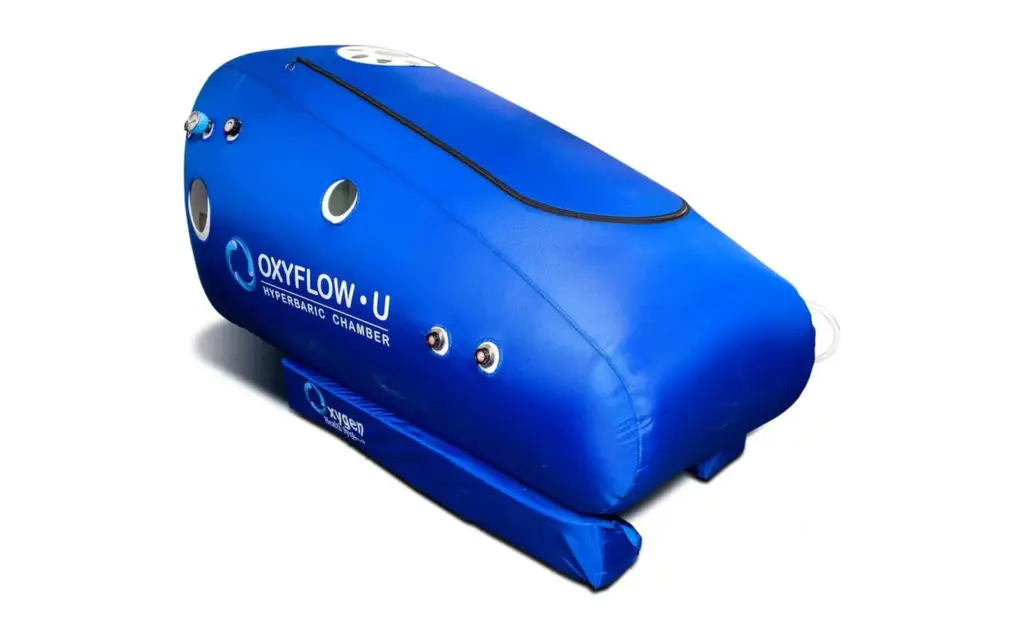
Vertical Mini 1.4 ATA
The Vertical Mini seated soft chamber: 40-inch vertical design, 1.4 ATA pressure and a compact footprint – upright-format HBOT.
Details→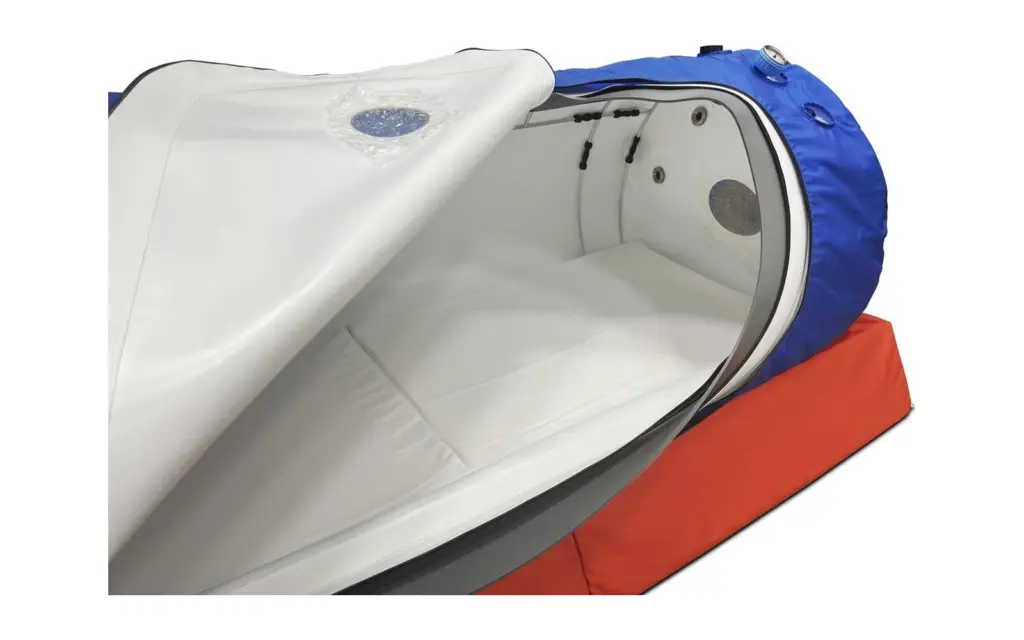
36" LUX-AIR 1.5 ATA
The 36-inch LUX-AIR 1.5 ATA soft chamber: the highest-pressure LUX-AIR model, with J-door and elevated platform.
Details→2.0 ATA
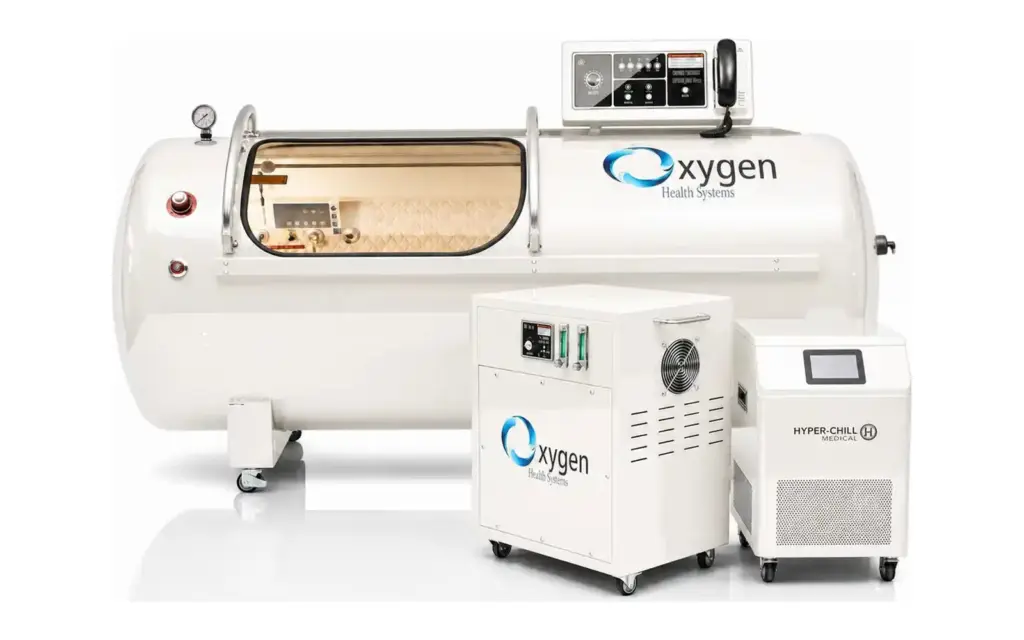
30" Hard Shell 2.0 ATA
The 30-inch hard-shell chamber at 2 ATA: entry-level clinical hard-shell that fits through a standard 35-inch door – medical grade in a compact size.
Details→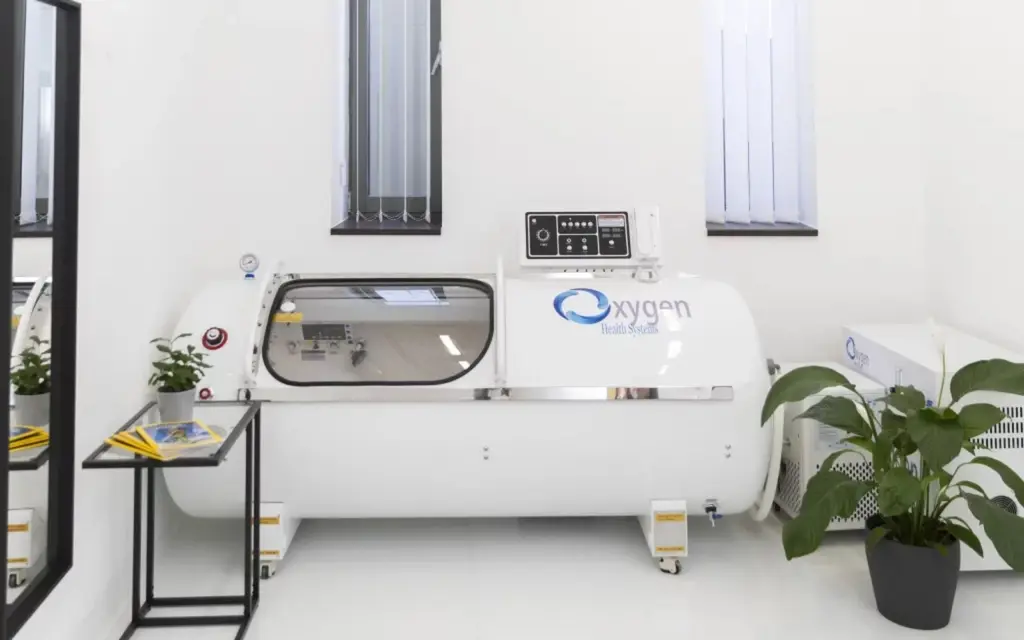
34" Hard Shell 2.0 ATA
Pure oxygen under pressure: more oxygen to the tissues, faster healing and regeneration.
Details→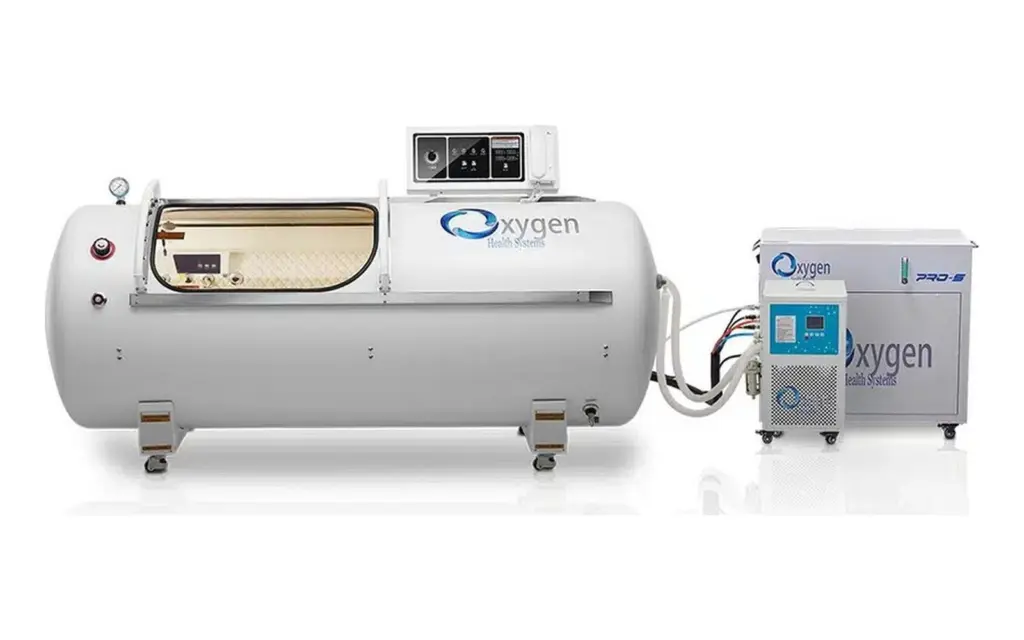
36" Hard Shell 2.0 ATA
The 36-inch hard-shell chamber at 2 ATA: more interior space and clinical pressure in one, for professional HBOT rooms.
Details→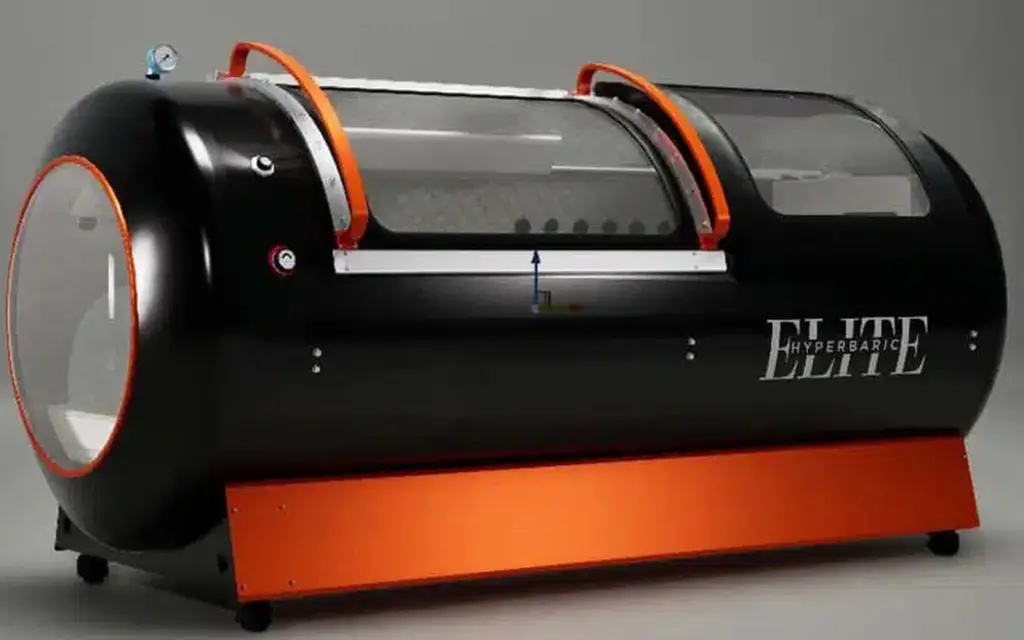
Elite Ultra 2 — 36" 2.0 ATA
The Elite Ultra 2 is the flagship of the series: 2.5 mm steel, 15 LPM concentrator, built-in air conditioning, dual panoramic windows and smart controller.
Details→2.2–2.5 ATA
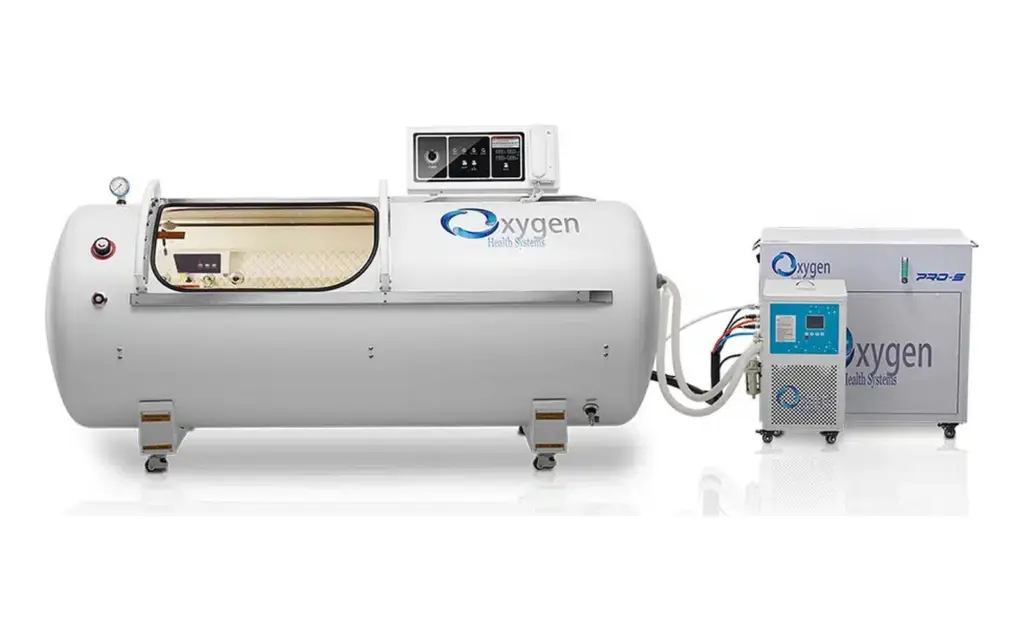
34" Hard Shell 2.2 ATA
34-inch hard-shell chamber at 2.2 ATA: clinical-grade oxygen enrichment in a compact footprint.
Details→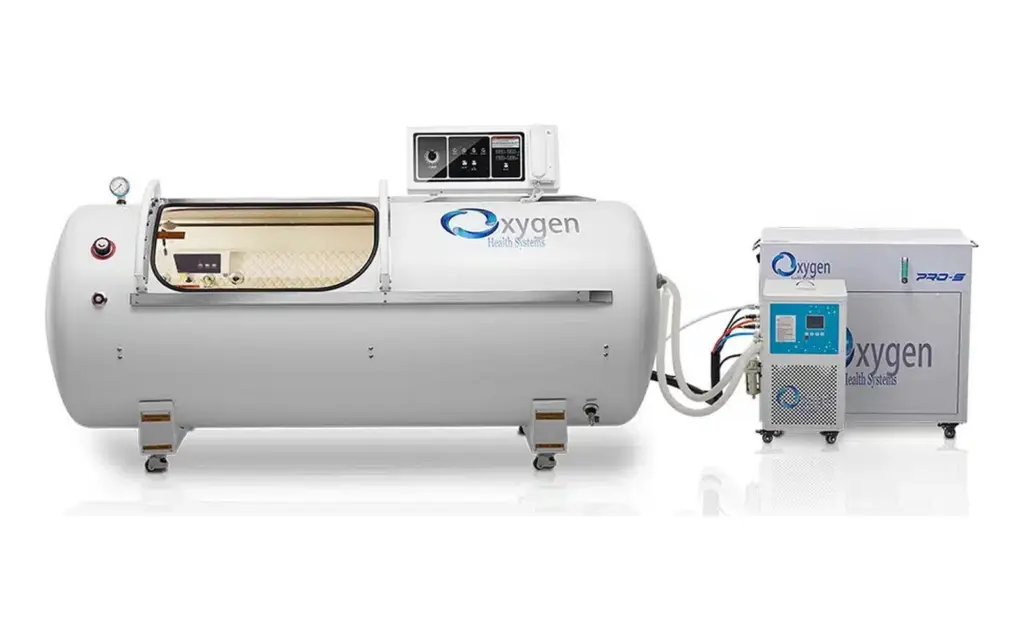
34" Hard Shell 2.5 ATA
34-inch hard-shell chamber at 2.5 ATA: top-tier clinical performance in a compact size.
Details→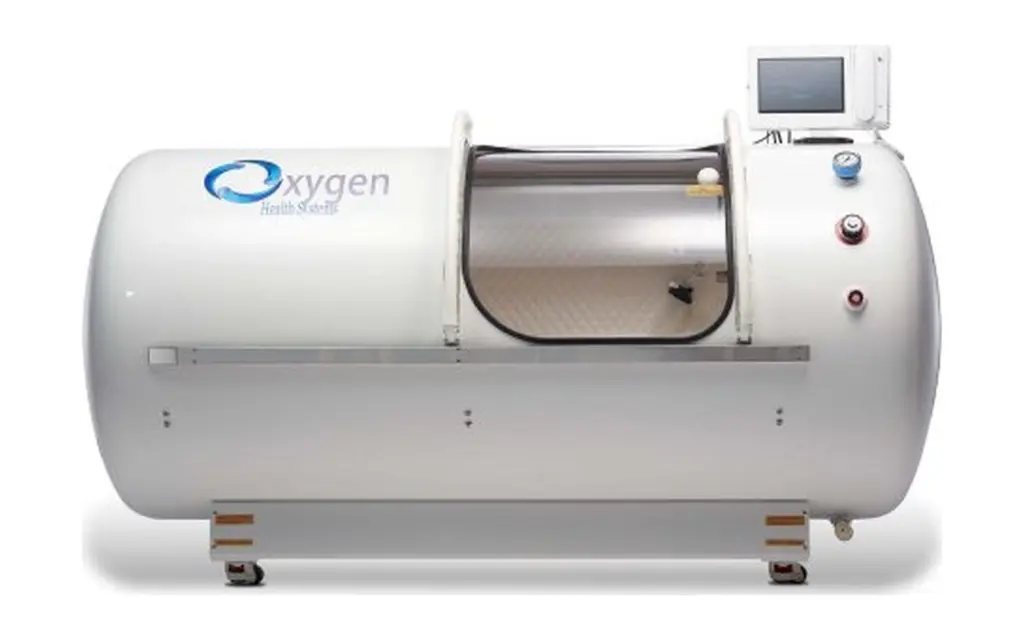
40" Hard Shell 2.2 ATA
40-inch hard-shell chamber at 2.2 ATA: spacious clinical chamber for elevated-pressure therapy.
Details→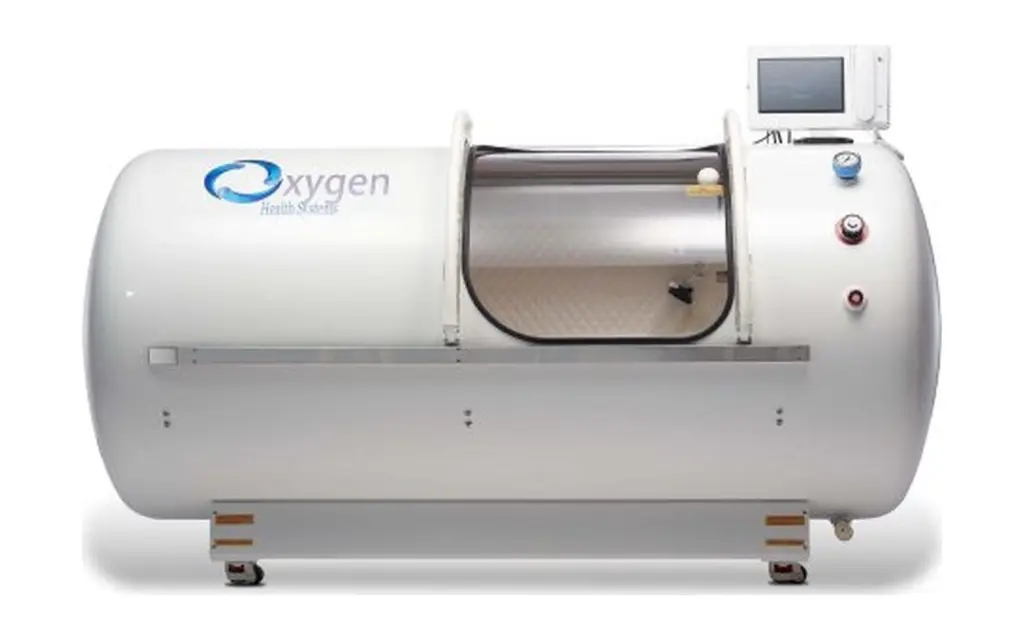
40" Hard Shell 2.5 ATA
40-inch hard-shell chamber at 2.5 ATA: the largest single-person clinical HBOT chamber in our range.
Details→Multiplace
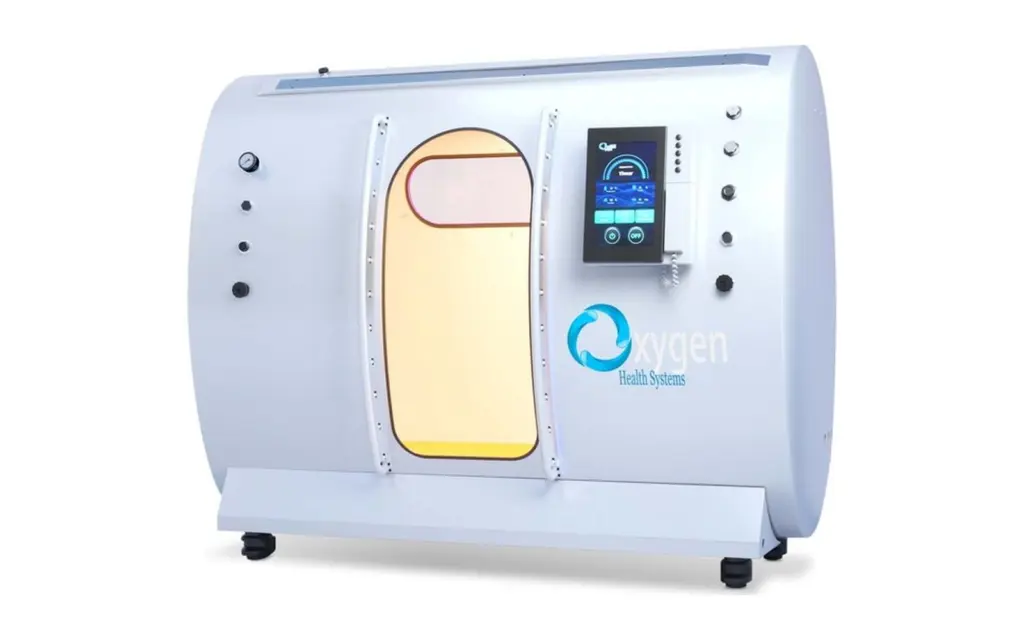
XLS-40 Walk-In 2.0 ATA
XLS-40 walk-in multiplace chamber at 2.0 ATA: upright entry, 1–2 person capacity, business-class recliner seat – built for professional HBOT clinics.
Details→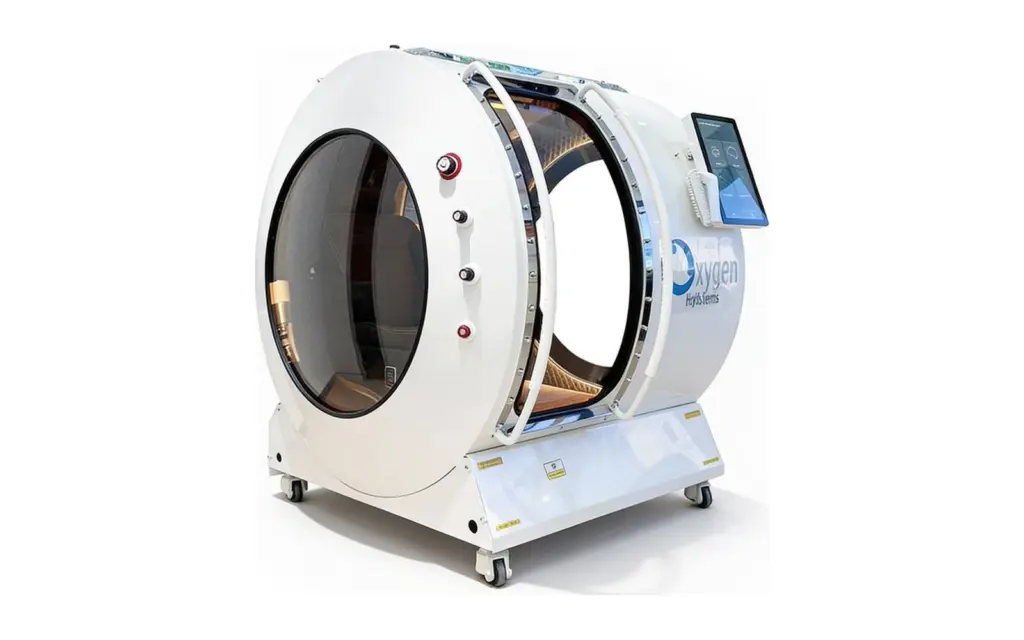
Vital Sphere 360 — 57" 2.0 ATA
Vital Sphere 360: 57-inch spherical premium chamber at 2.0 ATA – luxury finish, diamond-quilted interior, 10+ custom colour options.
Details→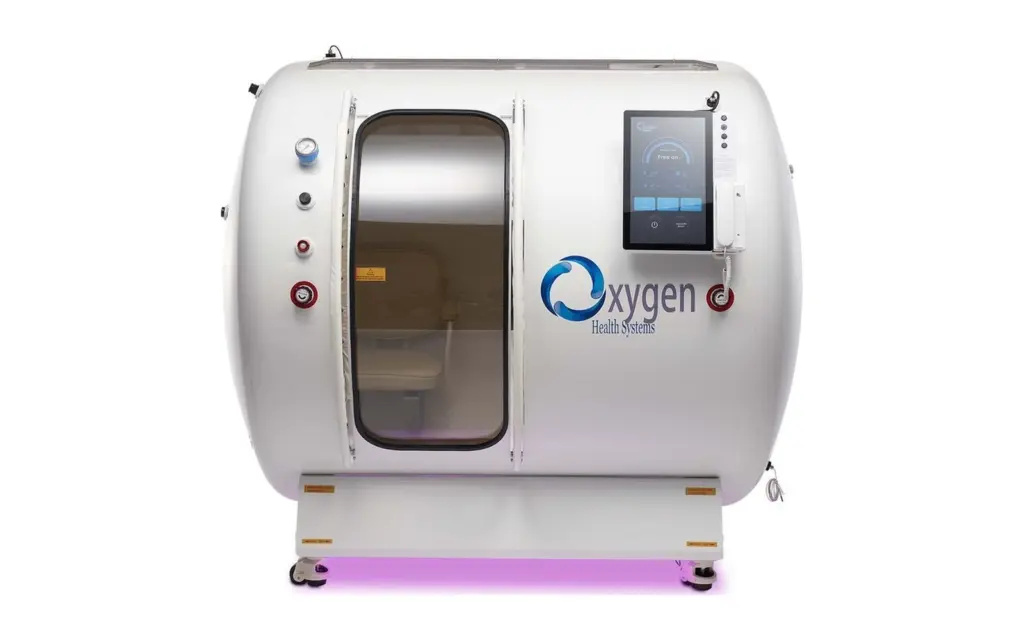
64" Multiplace 4-Person 2.0 ATA
64-inch 4-person clinical multiplace chamber at 2.0 ATA: hospital-grade group HBOT with walk-in access, full digital control system and BIBS oxygen delivery.
Details→More models are available – contact us for the full range and exact details.
Hyperbaric Oxygen Therapy – good to know
Who is hyperbaric oxygen therapy for?
HBOT is used primarily to accelerate wound and injury healing and post-surgical and post-exercise recovery, to reduce inflammation, to support cognitive function and brain regeneration, and for anti-ageing and general regeneration. In clinical settings it can also form part of neurological rehabilitation and complex wound-healing protocols. Daily sessions are advised during active recovery, and weekly sessions for maintenance.
Soft, hard-shell or multiplace chamber?
Soft chambers have flexible walls made of food-grade, TPU-coated polyester and a zip door. They are compact and have lower infrastructure requirements, which makes them suitable for home use, smaller clinics and wellness settings; they come in lie-down, seated and upright versions. Hard-shell chambers have a 304-grade stainless steel body, a Bayer polycarbonate sliding door and a digital display (pressure, temperature, humidity, O₂%), and are designed for higher, clinical pressure levels. Walk-in multiplace chambers can be entered standing up; depending on the design, they accommodate one or more people and are even suitable for group HBOT sessions.
What do the pressure levels mean?
Soft chambers operate at 1.3–1.5 ATA; 1.3 ATA is the most widely used level in home therapy, while 1.5 ATA is the top of the flexible-wall pressure range. 2 ATA – roughly the pressure at a water depth of 10 metres – is the clinical reference level on which most medical HBOT protocols are based, and it can only be reached with a hard-shell steel chamber. 2.2 ATA corresponds to a water depth of about 12 metres and 2.5 ATA to nearly 15 metres; the latter is also suitable for hospital HBOT protocols. In some multiplace chambers the pressure can be selected in steps (1.3 / 1.6 / 1.8 / 2.0 ATA).
Equipment, certification and warranty
The chambers typically come with a built-in oxygen concentrator (95% purity or higher), compressor and dehumidifier, while the larger walk-in models use their own oxygen generator without external tanks. Most chambers in the range hold CE, ISO 9001, ISO 14001 and ISO 13485 certification, and some walk-in models are built to ASME standards. Hard-shell and multiplace chambers typically come with a 36-month (3-year) warranty.