
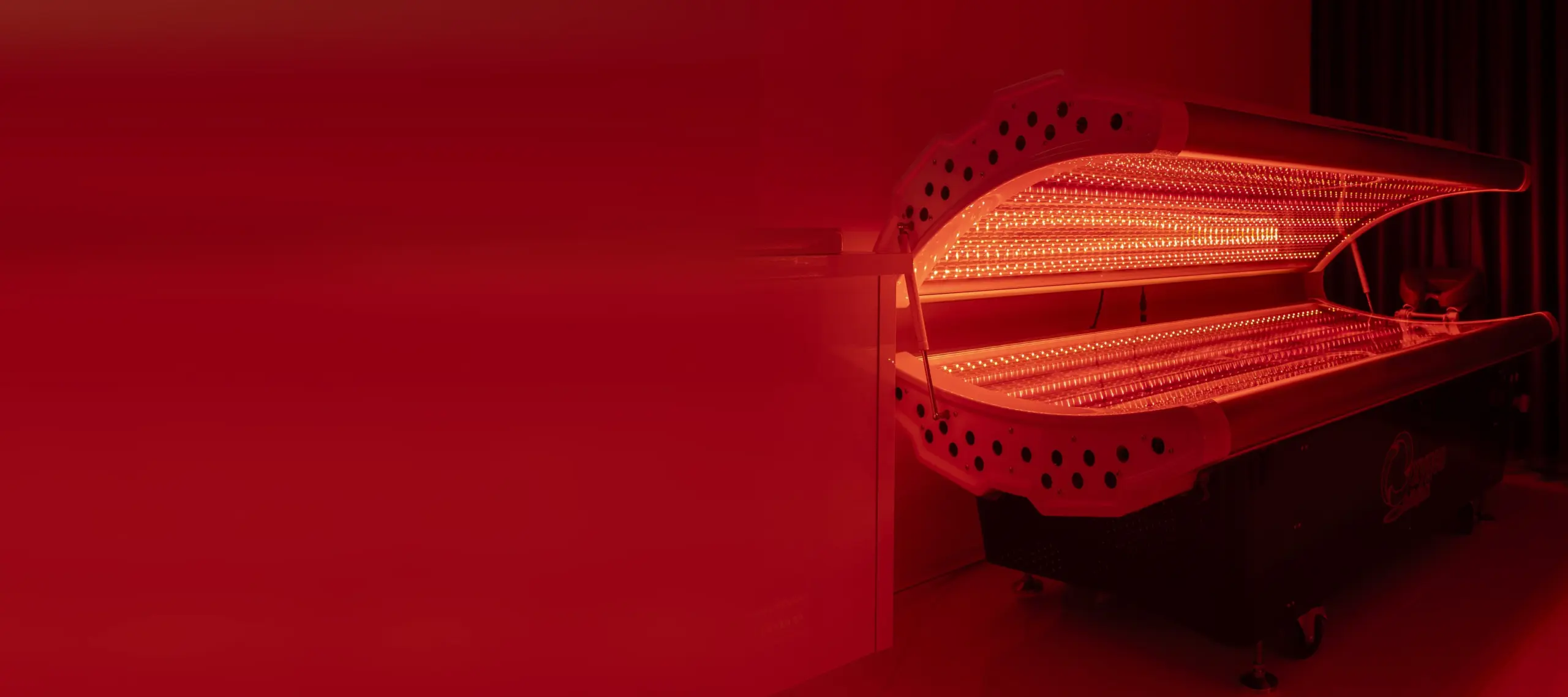
Photobiomodulation
Red Light Therapy
Red and near-infrared light therapy devices for recovery, skin renewal and performance.
How does red light therapy work?
During treatment the skin is exposed to red (approx. 630–660 nm) and near-infrared (approx. 810–850 nm) light of specific wavelengths, with no UV radiation. The light is absorbed by the cells' energy-producing units, the mitochondria, which increases the production of ATP – the cells' “fuel”. Red light acts mainly in the surface layers of the skin, while near-infrared light penetrates deeper, reaching the muscles and the area around the joints. The increased cellular energy supports tissue regeneration, collagen production and local circulation, and may help to reduce inflammatory processes. The treatment is painless: the client lies or sits comfortably in front of the device, typically for 10–20 minutes per session. The effect builds up with regular use over a course of treatments.
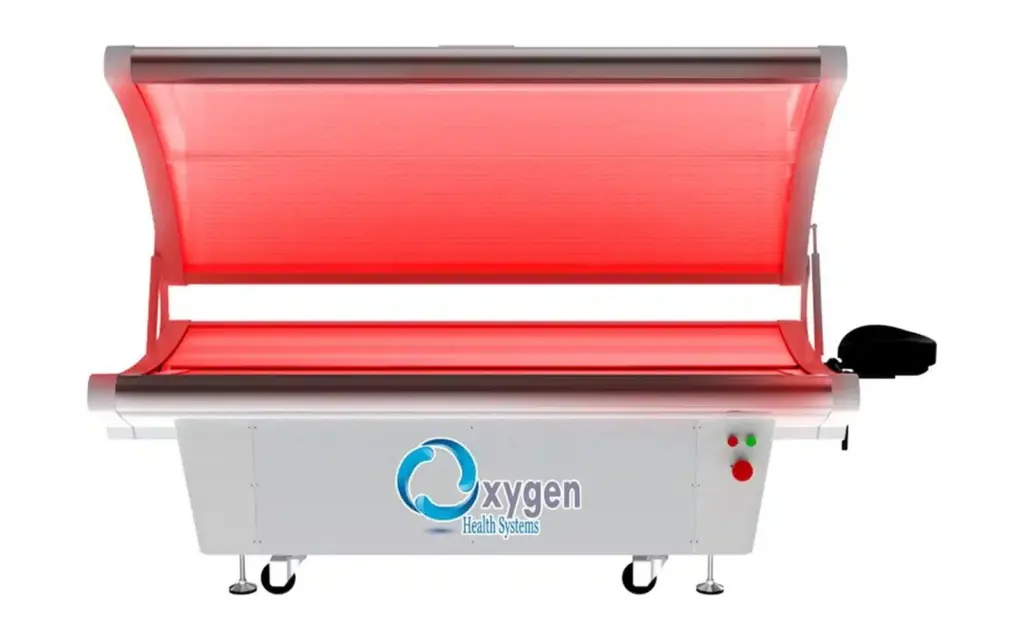

Mito Booster XL
Full-body red and near-infrared light therapy: cellular energy, regeneration and skin renewal.
Details→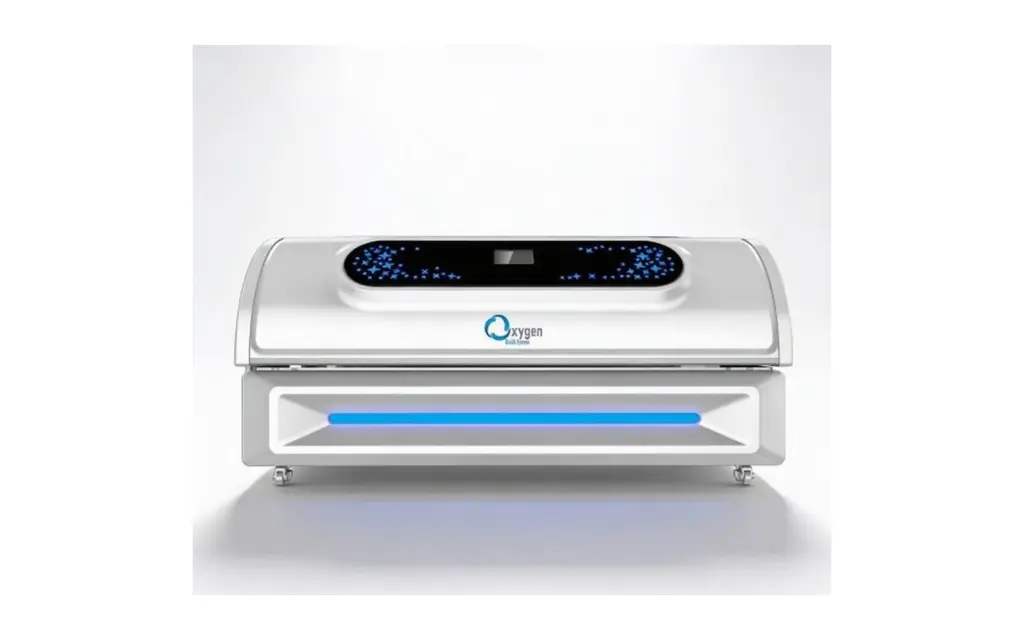
Radiance Pro
Medical-grade full-body red light therapy bed with five wavelengths, tablet-based controls and six customisable preset programmes.
Details→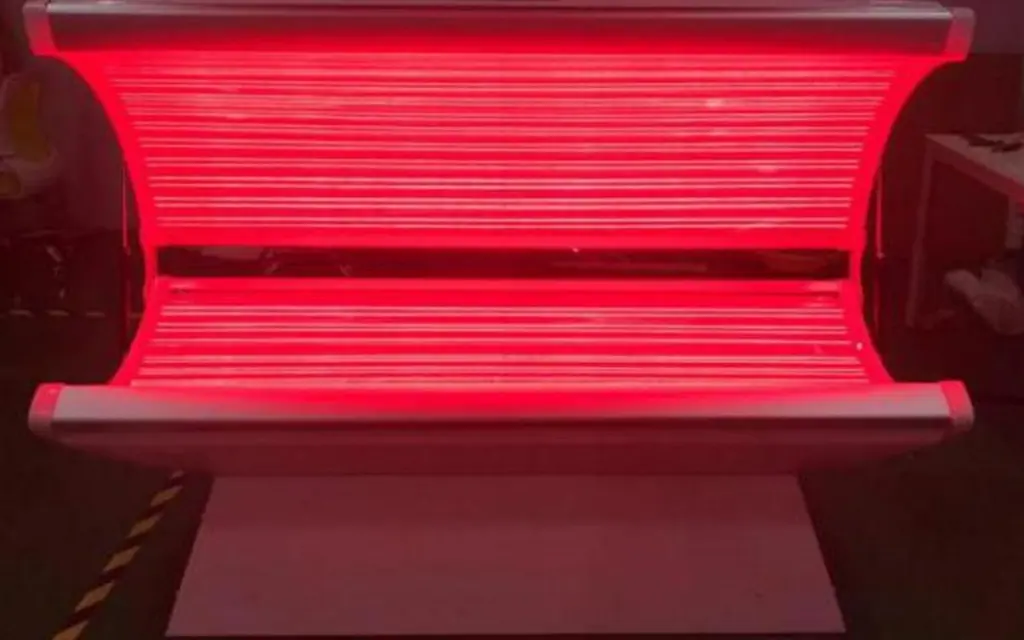
Red Light Squared Bed
Four-wavelength full-body photobiomodulation bed for home and commercial use, with touchscreen controls and optional Wi-Fi connectivity.
Details→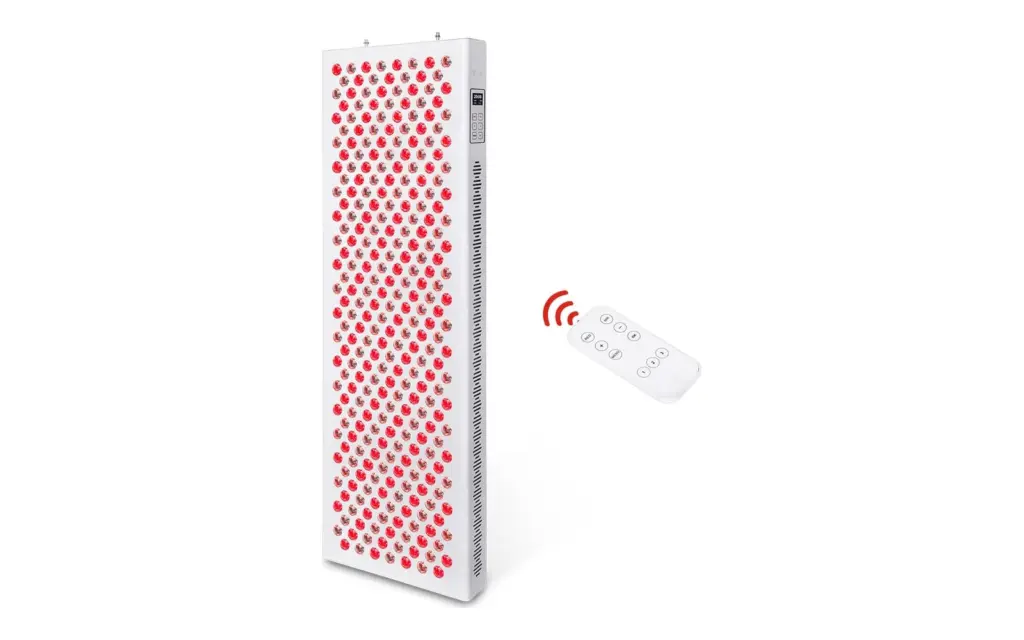
RDPRO1500
Professional freestanding full-body red light therapy panel with 300 LEDs, negligible EMF emission, for home and clinical use.
Details→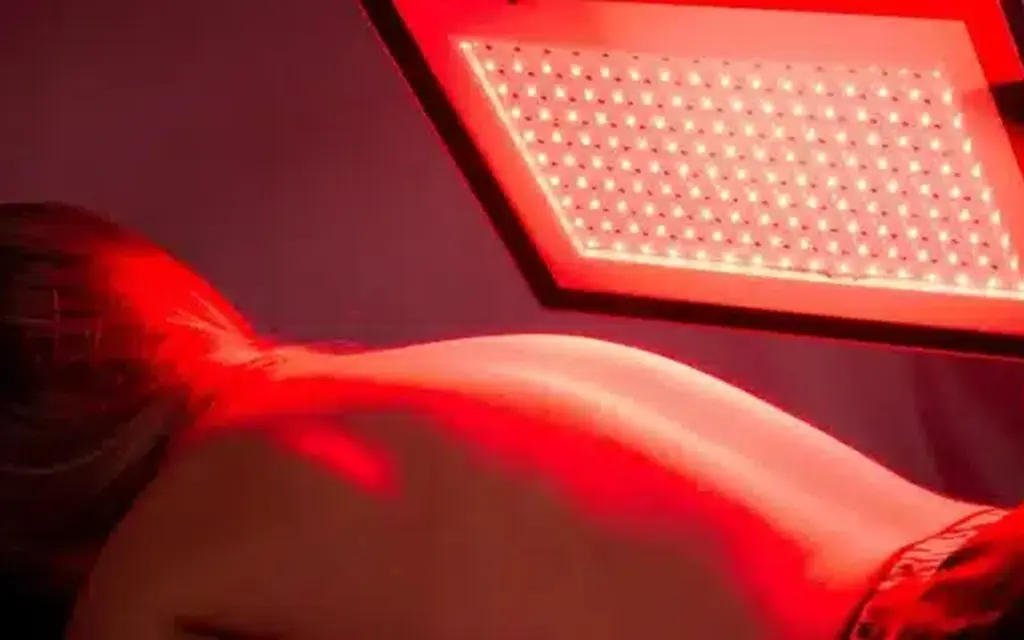
Standard Mini-Canopy
Compact, portable dual-wavelength panel for targeted treatments: for PBM therapy of large joints, back muscles and smaller body areas.
Details→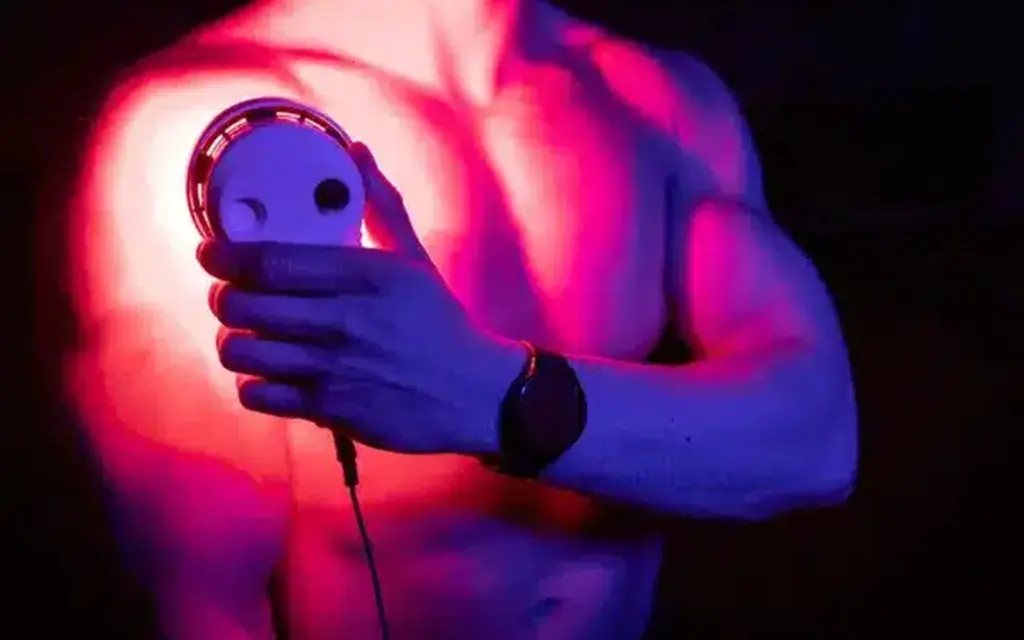
SuperPalm 1050
FDA-registered handheld deep-tissue PBM device with two switchable wavelengths, optimised for targeted hip and back muscle treatment.
Details→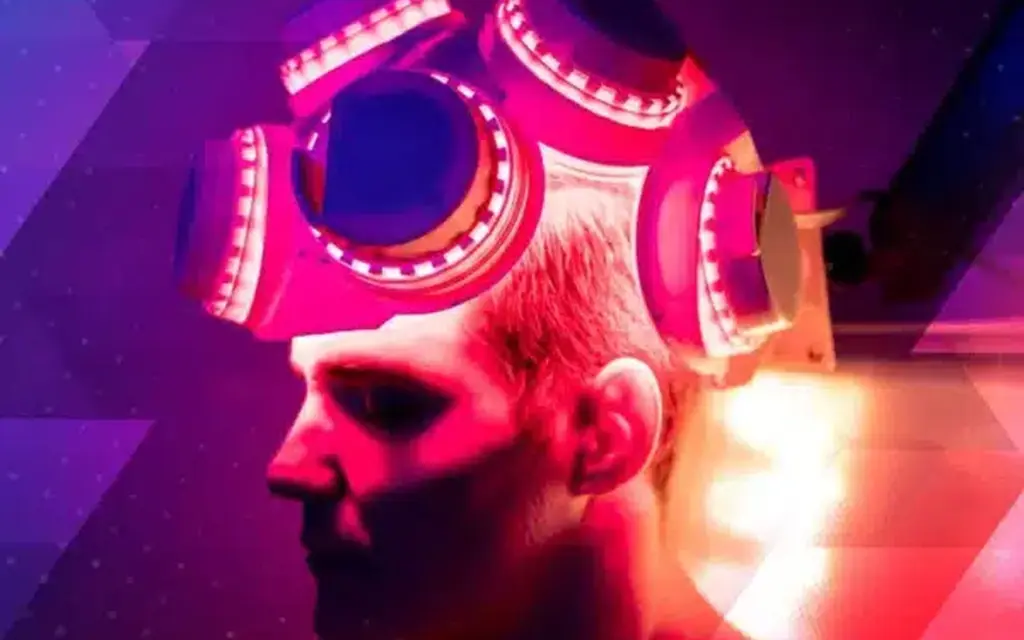
tPBM Helmet
Transcranial photobiomodulation helmet for neurological indications: non-invasive adjunct therapy for Parkinson's, Alzheimer's and traumatic brain injury.
Details→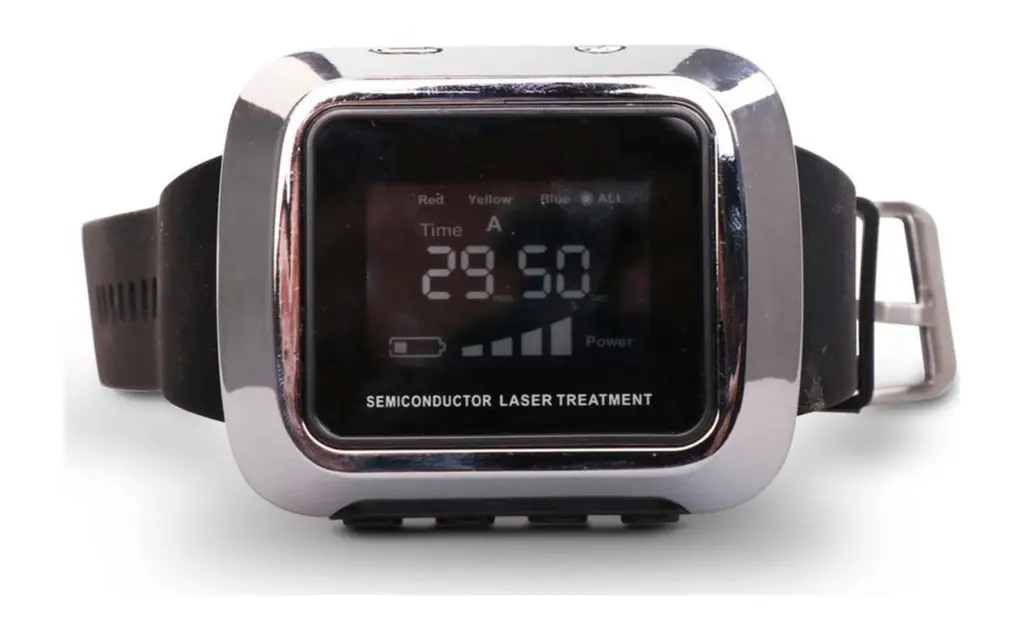
Redlight Laser Watch
Wearable 3-in-1 LLLT device: low-level laser light on the wrist acupuncture points, local pain therapy, plus nasal and ear applicators in a single device.
Details→Red Light Therapy – good to know
Photobiomodulation: the role of wavelength and irradiance
The technical term for red light therapy is photobiomodulation (PBM). Each wavelength acts in a different tissue layer: the shorter red range mainly supports skin renewal and collagen production, while the longer near-infrared (NIR) range – 810, 850, 940 and 1050 nm across our devices – penetrates deeper and aids the regeneration of muscles, joints and tendons. The devices also differ in the number of wavelengths and in irradiance (mW/cm²): the higher the irradiance, the less time is needed to reach the intended light dose (J/cm²).
Full-body and targeted devices
Full-body LED beds and freestanding panels treat the whole body at once, so they are used for general regeneration, athletic recovery and skin renewal. The compact panel and the handheld device concentrate the light on a single area – large joints, the back, shoulders or knees – the transcranial helmet targets the brain through the skull, and the wearable laser watch provides low-level laser therapy (LLLT) at the wrist. Some models are also available with a pulsed mode or an optional 1050 nm NIR upgrade.
Who is red light therapy for?
The treatment is non-invasive, painless and requires no downtime. We recommend it for athletes seeking to support performance and recovery, to relieve chronic muscle and joint complaints and inflammation, for skin rejuvenation and to stimulate collagen production, and for improving sleep quality and relieving stress. The best results are achieved with regular use, typically 2–3 times per week.