
TUR physiotherapy systems
Physiotherapy
Shockwave, ultrasound, electrotherapy, cryotherapy and shortwave – TUR physiotherapy systems for pain relief and regeneration.
What is physiotherapy good for?
Physiotherapy acts on the tissues through different forms of physical energy – mechanical waves, sound, electric current, cold and heat – without medication or invasive procedures. Each method acts at a different depth and on different processes, so the therapist selects them according to the complaint and often combines them.
-
Shockwave
mechanical energy
chronic tendon and ligament complaints, heel spurs, tennis elbow, calcific deposits, trigger points
-
Electrotherapy
electric current
acute and chronic pain, strengthening weakened muscles, nerve pain, oedema
-
Ultrasound
sound waves (micro-massage and deep heat)
tendon and muscle injuries, joint complaints, loosening scar tissue, drug delivery
-
Cryotherapy
cold
post-operative swelling and pain, acute sports injuries, reducing inflammation
-
Shortwave
heat (deep heat)
chronic joint and muscle pain, stiffness, degenerative joint complaints
-
Modular therapy
combined
the methods above on a single workstation, configured to the needs of the practice
Shockwave Therapy
How does shockwave therapy work?
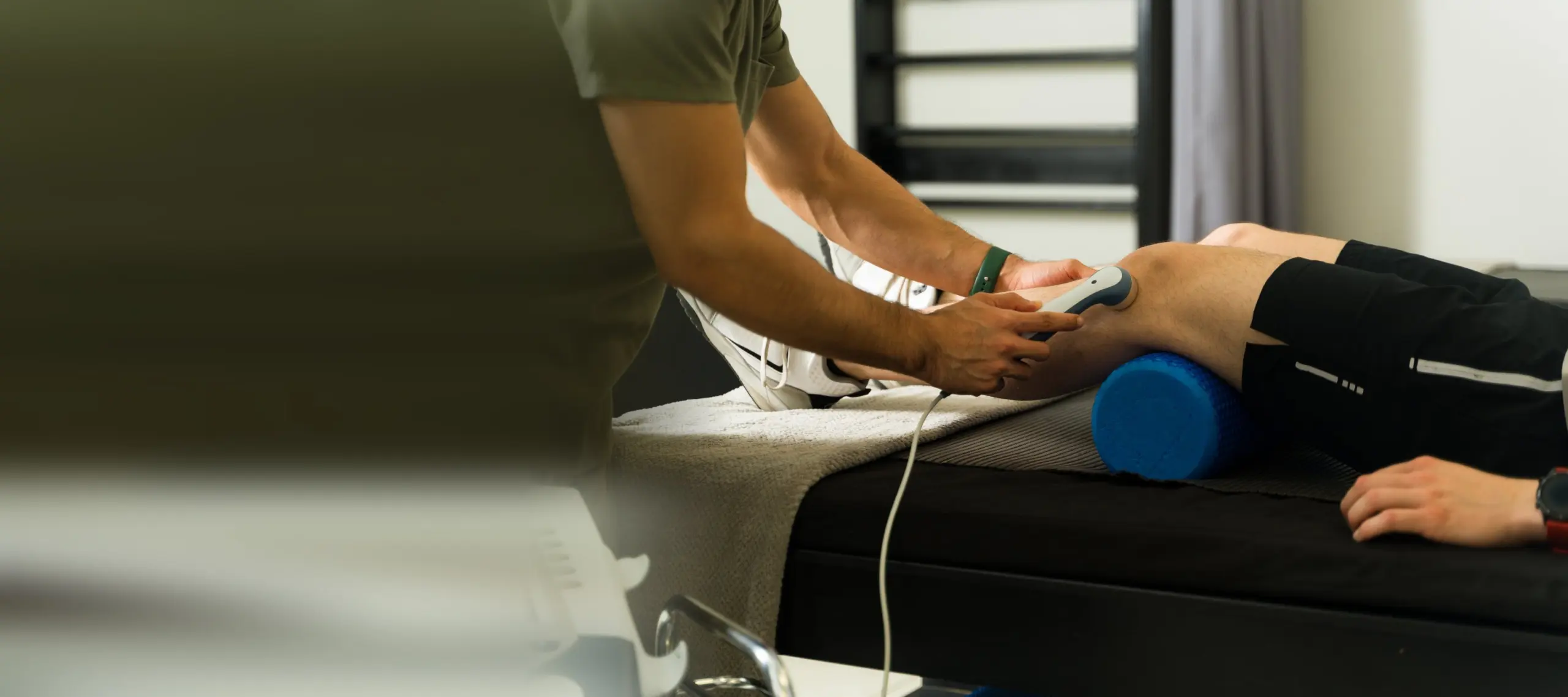
During treatment the therapist places a handpiece on the painful area, which delivers high-energy acoustic waves into the tissues via a coupling gel. The mechanical stimulus of the waves increases blood flow in the treated area and stimulates the formation of new blood vessels and collagen. This promotes the regeneration of chronically inflamed, slow-healing tendons and ligaments, loosens calcific deposits and reduces the sensation of pain. A tapping, pulsing sensation is felt during treatment, its intensity adjusted by the therapist to the patient's tolerance. A session takes only a few minutes and is usually given as a course of 3–6 treatments. It is most often used for heel spurs, tennis elbow, Achilles tendon and shoulder complaints.
kimatur PRIME
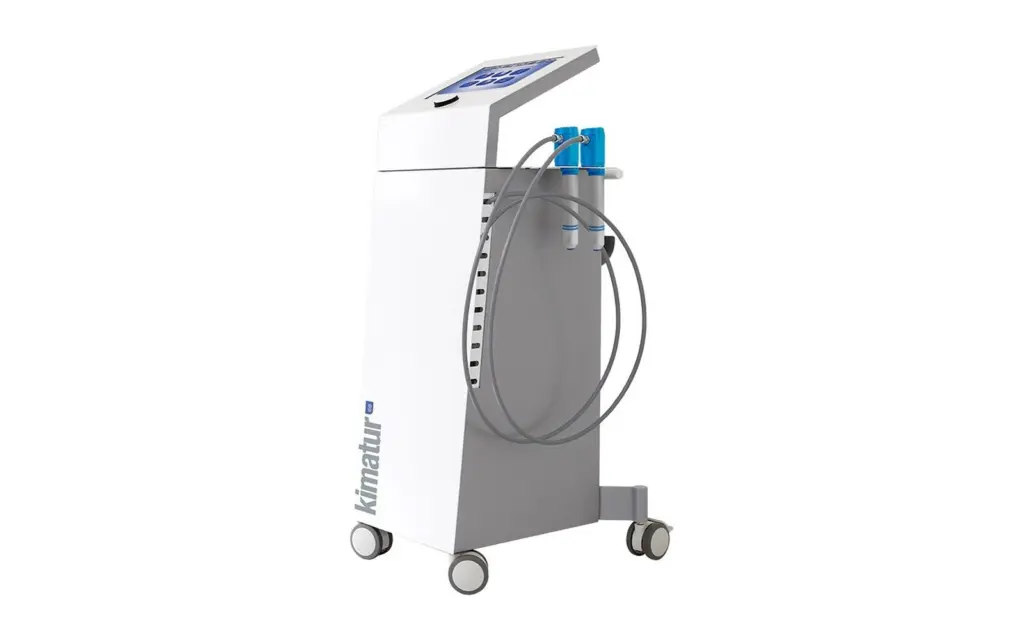
The original TUR shockwave system: 13 applicators, quiet oil-free compressor, burst and continuous modes.
Details→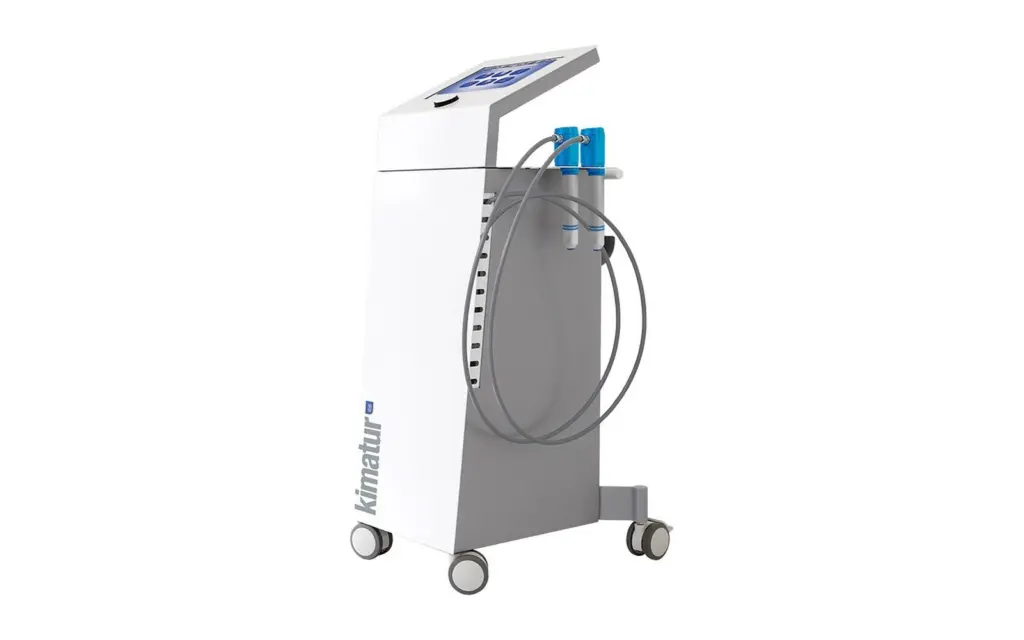
kimatur DUO
Two handpieces working simultaneously: interference mode generates a third virtual frequency for enhanced regeneration.
Details→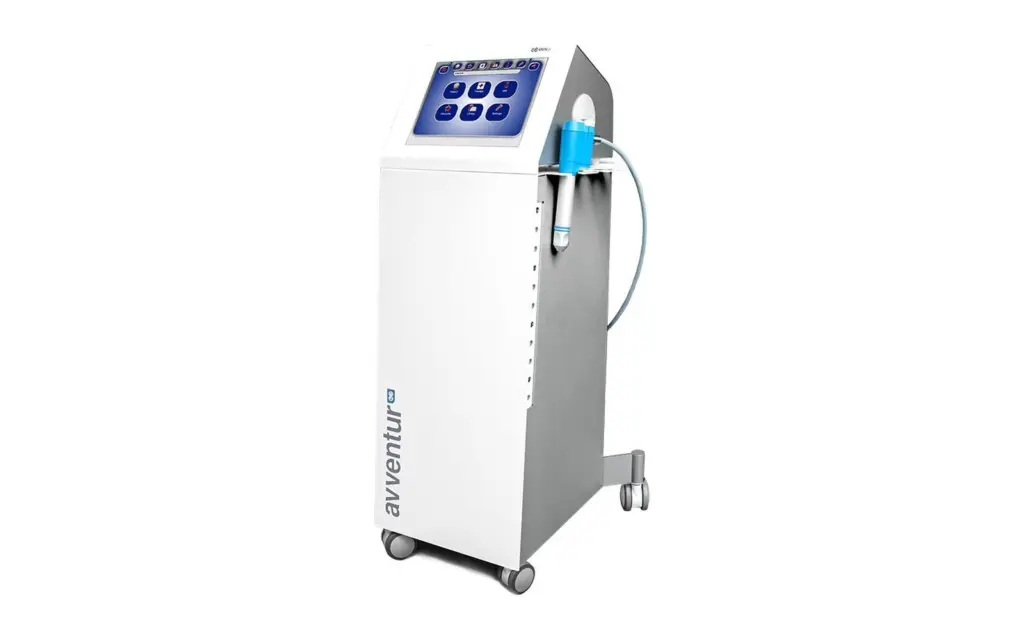
kimatur GO
Portable shockwave device for on-site treatment: designed for sports physicians and veterinarians, with full clinical performance.
Details→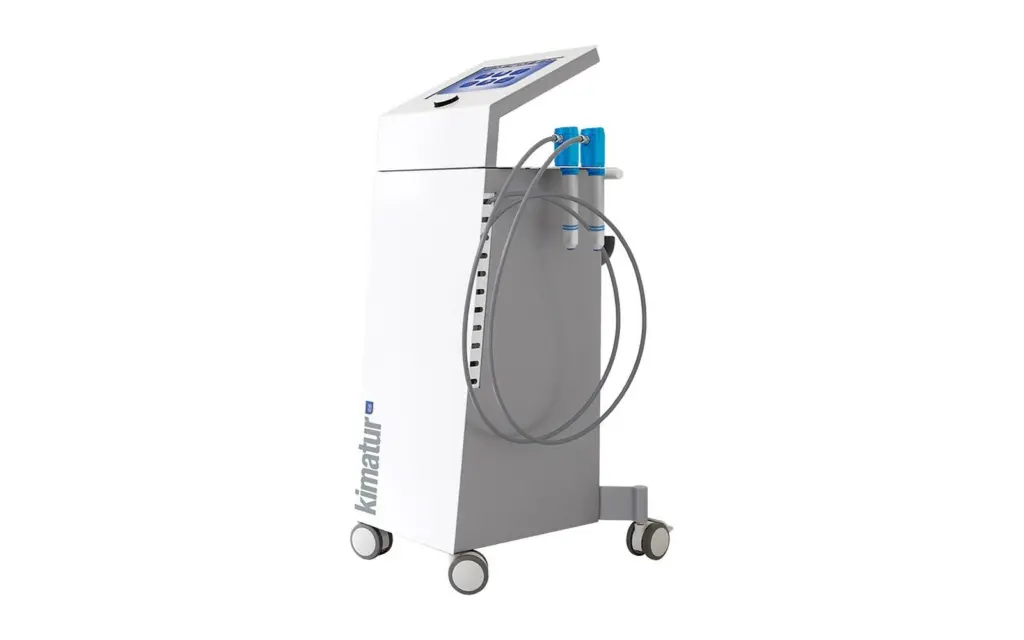
kimatur DOUBLE
Time-efficient clinical workflow: instant switch between two applicators without stopping, with no therapeutic compromise.
Details→Ultrasound Therapy
How does therapeutic ultrasound work?
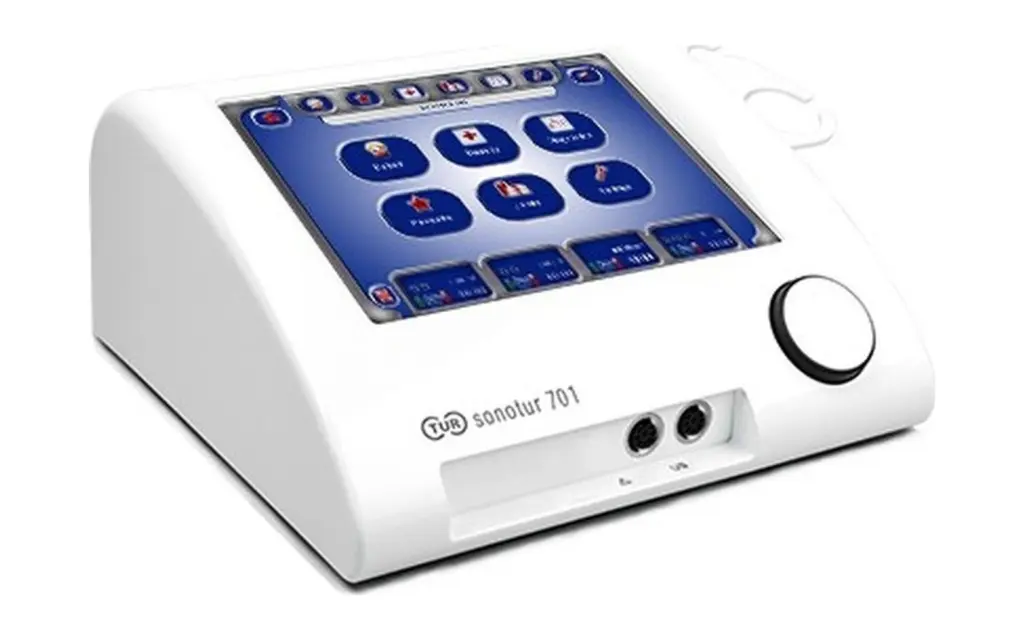
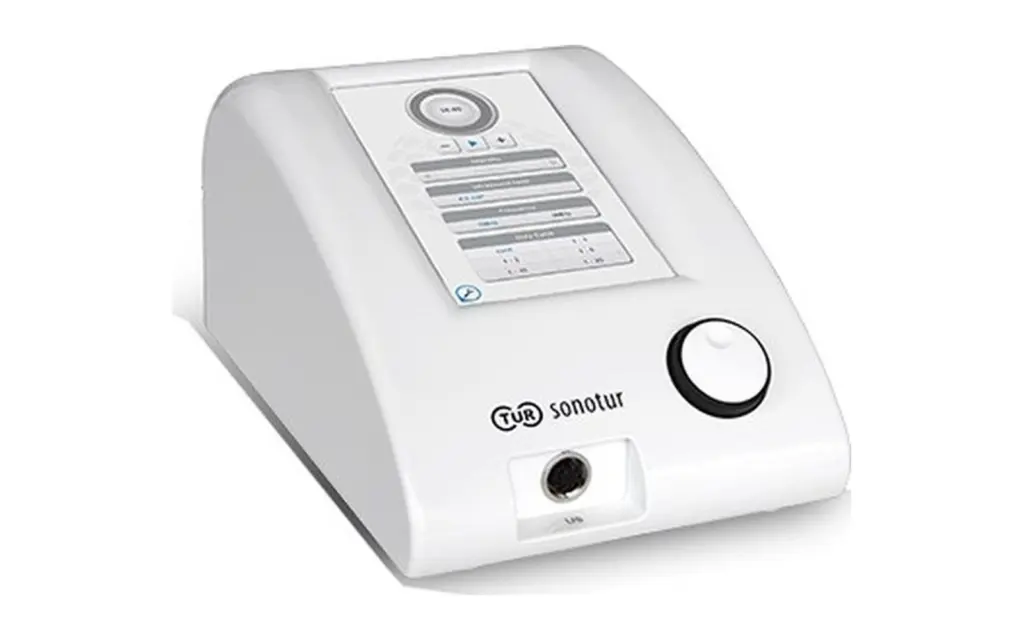
During treatment the therapist slowly moves the treatment head over gel-covered skin; the head delivers high-frequency sound waves, above the audible range, into the tissues. The waves set the cells vibrating, producing a gentle “micro-massage” and a mild warming effect in the deeper tissues. This increases local circulation and metabolism, relaxes tense muscles and connective tissue, and supports the healing of damaged tissue. In sonophoresis, ultrasound also helps the active ingredient of a medicated cream applied to the skin to penetrate. The treatment is painless – at most a slight warmth is felt – and lasts 5–15 minutes per session. It is often used for tendon and muscle injuries, joint complaints and post-injury conditions.
Electrotherapy
How does electrotherapy work?
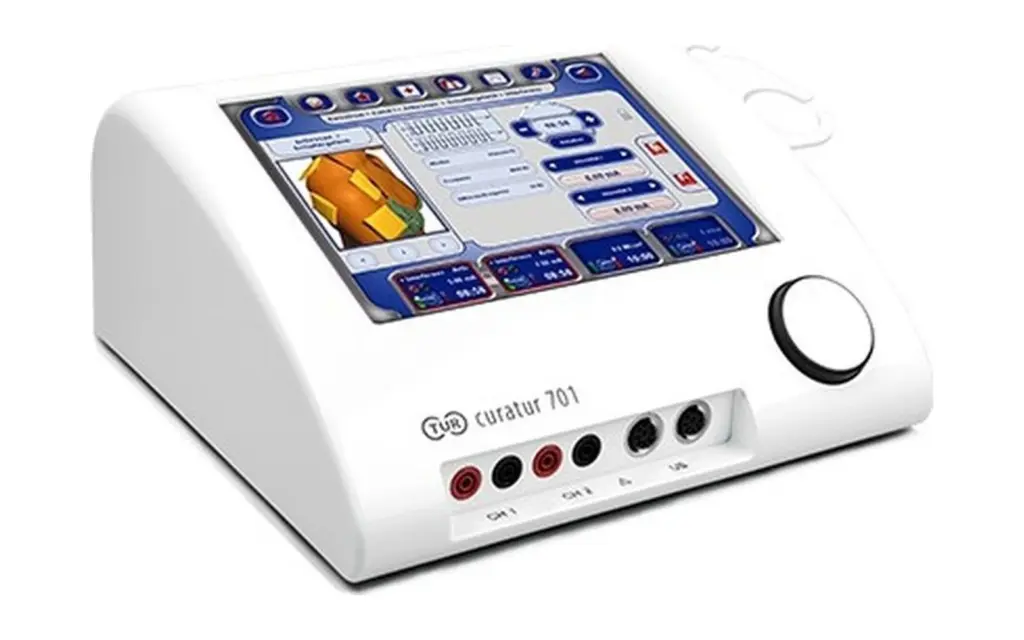
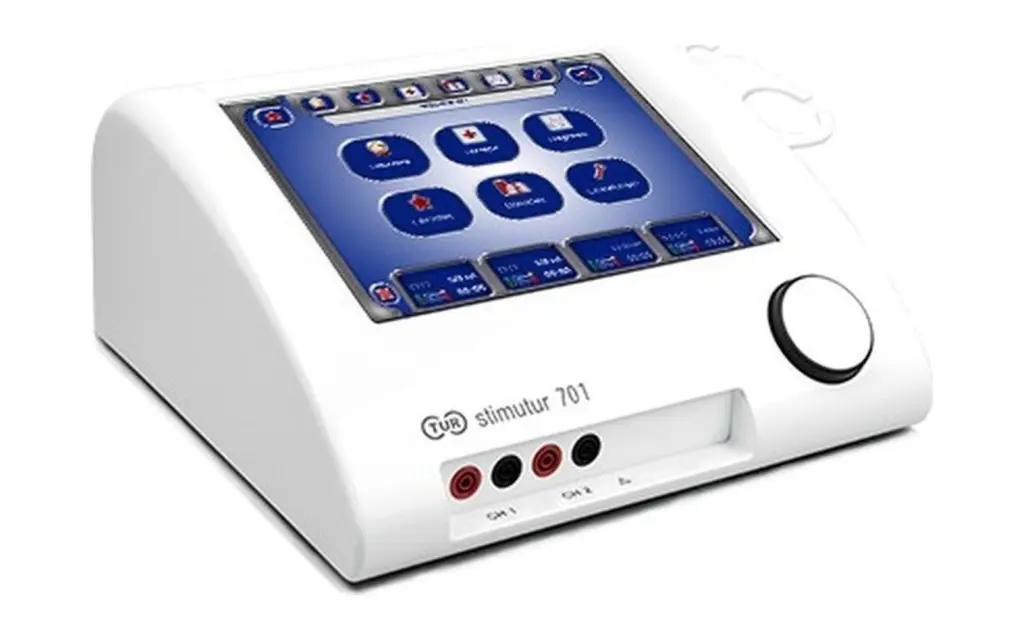
In electrotherapy, a precisely controlled, low-intensity electrical current is delivered into the tissues through electrodes placed on the skin. The waveform and frequency are tailored to the aim of the treatment: some forms dampen the nerves' pain signals, others make the muscles contract. Pain-relieving currents inhibit the transmission of pain stimuli and stimulate the body's own production of pain-relieving substances. Muscle stimulation helps strengthen muscles weakened after injury or surgery and increases local circulation. The treatment causes a tingling or mild twitching sensation and typically lasts 10–20 minutes per session. Combined with ultrasound, the effect in deeper tissues can be enhanced further.
Cryotherapy
How does cryotherapy work?
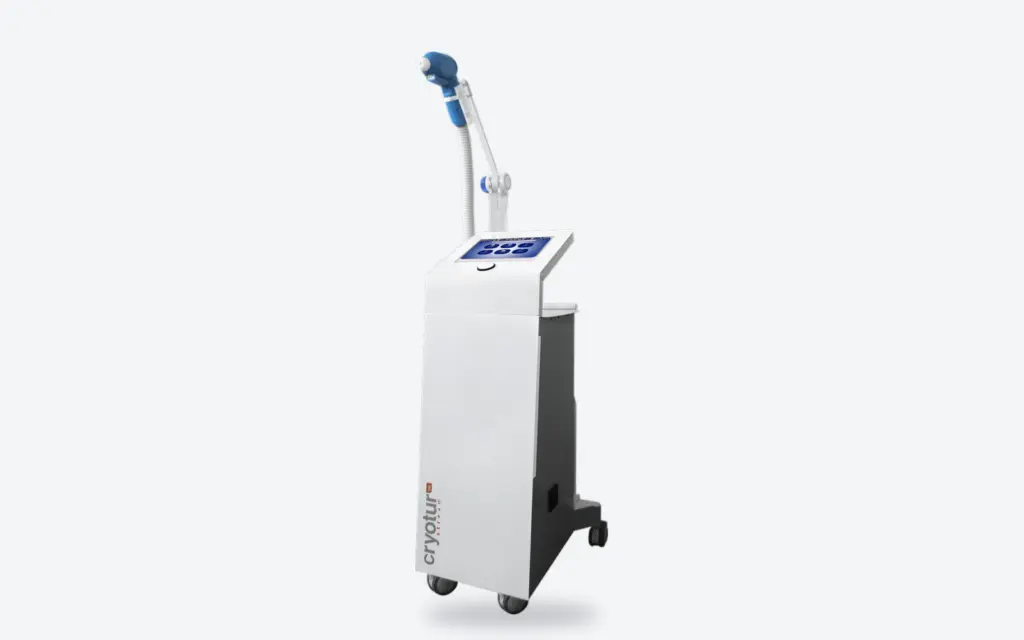
During treatment the device blows a very cold (down to –35 °C), dry airflow onto the body part being treated, without touching the skin. An infrared sensor continuously measures skin temperature and adjusts the airflow accordingly, so cooling is effective yet safe. Rapid cooling makes the blood vessels constrict, reducing swelling and moderating inflammatory processes. Nerve conduction slows down, which provides fast pain relief. After the treatment the vessels dilate again, and the increased blood flow supports tissue regeneration. A session takes only a few minutes, so it combines well with physiotherapy, for example after surgery or a sports injury.
Shortwave Therapy
How does shortwave diathermy work?
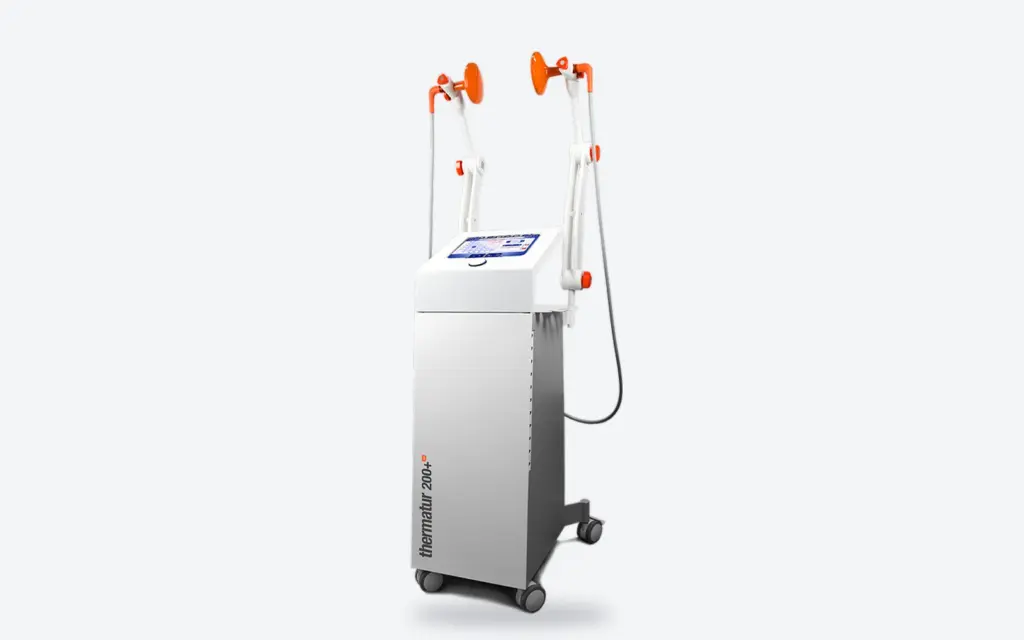
In shortwave diathermy the device delivers high-frequency (27.12 MHz) electromagnetic energy into the treated body part without direct skin contact. The energy is converted into heat within the tissues, so warming occurs not only at the surface but also in the deeper muscles, joints and connective tissue. Deep heat increases circulation and metabolism, relaxes the muscles and makes connective tissue more flexible. This can help relieve chronic muscle and joint pain, stiffness and inflammatory conditions. Continuous mode gives a pronounced heating effect, while pulsed mode supports regeneration with less heat. The treatment is felt as a pleasant warmth and typically lasts 10–20 minutes per session.
Modular Therapy
How does modular therapy work?
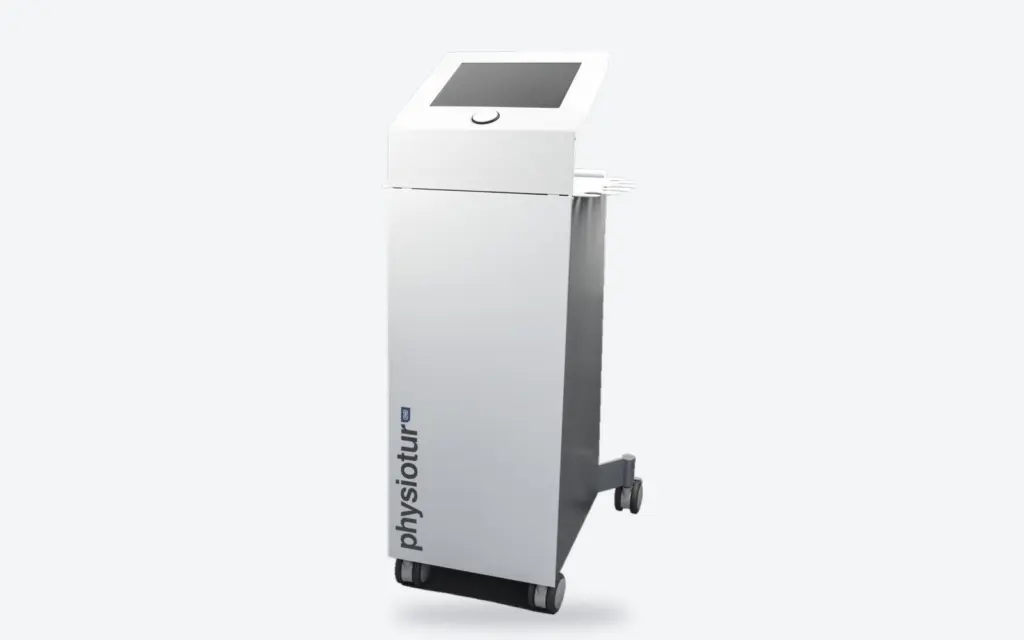
The modular therapy workstation combines the most common physiotherapy treatment methods in a single tower. The unit can be fitted with electrotherapy, ultrasound, shockwave, cryotherapy and other modules as required, so the therapist can switch between treatments in one place without changing equipment. Each module acts by its own method: current on pain perception and the muscles, ultrasound and shockwave on the regeneration of deeper tissues, cold on inflammation and swelling. Treatment methods can be combined one after another, allowing a complex treatment tailored to the complaint within a single session. Shared controls and saved protocols make the work faster and more consistent. Modules can be added later, so the system grows with the needs of the practice.
Physiotherapy – good to know
TUR and the physiotur system
TUR devices form a coordinated system: several units (such as the sonotur and the stimutur) can be used on their own, but can also be installed in the physiotur modular therapy tower and combined there with other treatment methods. The modules in the tower share the TUR Symphony software, which provides a unified interface and patient data management. Modules can be added later, so the equipment can grow with the practice's range of services; the exception is the portable sonotur lite, which cannot be connected to the tower. TUR has been manufacturing shortwave diathermy devices for over six decades.
The common basis of the kimatur shockwave family
The kimatur devices use radial shockwave therapy (rESWT): the waves are generated by a pneumatically controlled system, and the non-invasive treatment is delivered with calibrated parameters. The family is built on the PRIME: a frequency range of 1–22/35 Hz, an energy density of 0.72 mJ/mm², 13 applicators in sizes SM to 4XL and a quiet, oil-free compressor. The GO delivers the same specifications in a portable format, while the DUO and DOUBLE provide the PRIME's performance with two handpieces. Every model can be installed in the physiotur tower.
About the ultrasound and electrotherapy units
TUR's ultrasound units work with 1 and 4 cm² treatment heads, so both smaller joints (hand, wrist, ankle) and larger muscle groups (shoulder, thigh, lower back) can be treated, in continuous and pulsed mode. Therapeutic ultrasound triggers both thermal (heat-mediated) and non-thermal (mechanical) processes. The electrotherapy units use low- and medium-frequency therapeutic currents, which trigger pain-relieving, muscle-toning and anti-inflammatory processes.
Typical indications by treatment method
Shockwave is used for tendinopathies (Achilles tendon, rotator cuff, patellar tendon), plantar fasciitis, epicondylopathy (tennis and golfer's elbow), myofascial syndrome and trigger points, calcifications, and cellulite. Electrotherapy is indicated for chronic lower-back and neck pain, tendinopathies, neuralgias, muscle weakness (EMS), post-traumatic conditions, chronic oedema and circulatory disorders, and ultrasound for acute and chronic pain, post-traumatic conditions, circulatory disorders and peripheral nerve conditions. Indications for cryotherapy include post-operative swelling and pain, acute and subacute musculoskeletal injuries (strains, sprains, dislocations) and post-exercise muscle recovery. Shortwave diathermy is used for chronic joint inflammation, degenerative joint conditions (arthrosis), muscle stiffness and contractures and, in pulsed mode, also in subacute inflammatory conditions where continuous heat treatment is not yet indicated.